Playa del Cura family beach blueprint
Playa del Cura sits at the heart of Torrevieja and functions as an intuitive first stop for families seeking a classic seaside day without complicated logistics. The sand here is generally soft and light-coloured, forming broad stretches that make it easy to set up a comfortable base with towels and shaded canopies. The seabed slopes gently in many of the main bathing areas, which helps create shallow zones suitable for toddlers and less confident swimmers; these shallows typically extend several metres from the shoreline on calmer days, offering a reassuring space for supervised paddling. Wave action is usually mild, especially outside of stormy weather, but checking local flag signals remains a must. Lifeguard coverage is present during the main summer months along the busier central sections; families should aim for those lifeguarded stretches for greater peace of mind and choose entry points close to these posts during high season.
The beach’s adjacency to the promenade makes Playa del Cura particularly family-friendly: stroller-accessible pathways run parallel to the sand and provide a smooth surface for short walks and scooting. Several cafés and small shops line the promenade, convenient for quick snack runs or grabbing water and sunscreen, though many families prefer to pack picnic items for flexibility. Restroom access and public facilities are typically located just off the beach near main access points; scouting these out on arrival helps shorten any urgent trips with young children. For calmer water windows, early mornings and late afternoons on weekdays tend to be quieter and offer gentler conditions; families looking to avoid midday sun and crowds can plan beach time around these periods. Selecting a quieter stretch of Playa del Cura toward either end of the main central area offers more space for kids to play and for parents to set a clear sightline without feeling boxed in by dense sun-lounger rows.
La Mata Beach and Natural Park easy nature days
La Mata blends broad sandy beaches with the ecological reserve of La Mata Natural Park, creating a versatile backdrop for family days that mix playtime with light exploration. The beach itself provides wide, open sand areas where children can build freely and run between the water and shore. Adjacent boardwalks and dune access points connect to mellow loops through the natural park; these trails include raised walkways in places to protect sensitive habitats, and short, flatter sections that are generally manageable with a sturdy stroller. For families with older kids, the park offers casual birdwatching opportunities—especially for species attracted to salt marshes—and several short scenic loops ideal for introducing children to basic nature spotting without long hikes. Cooler parts of the day, such as morning and late afternoon, are often the most pleasant for walks and picnics in the shaded fringes of the reserve.
Picnic spots near the boardwalks give families room to spread out while keeping a close eye on little explorers who may want to chase shells or examine dune flora. Environmental rules exist to protect nesting birds and fragile plant life, so holding children’s activities to designated paths and viewing areas helps preserve the park’s character; quick, clear explanations about not disturbing wildlife are a helpful habit to model for kids. For active families, bike rental points near La Mata make short coastal rides an appealing option, with gentle lanes that parallel the shoreline or lead into the park’s outskirts. Timing visits for cooler windows reduces sun exposure for younger children, and bringing binoculars and a simple bird checklist can transform a casual walk into a low-key educational outing the whole family remembers.
Paseo Marítimo promenade strolls and playtime
The Paseo Marítimo (Torrevieja promenade) is a natural family artery where relaxed seaside life and child-focused activity mix fluidly. The promenade stretches along the seafront and features long, flat surfaces ideal for pushchairs, scooters, and beginner bikes, creating an easy environment for kids to expend energy while adults keep a steady eye. Playgrounds and small play areas punctuate the route at intervals, which makes it feasible to plan short walking segments that end at a park for a break or snack. Benches and shaded sections appear regularly, offering convenient rest points between explorations and picnic stops. During peak season, ice-cream and snack stalls often set up near popular sections of the promenade; for families, these provide quick treats without diverting far from the children’s play zones.
Photogenic viewpoints along the seafront create natural pause points for family photos and for teaching children simple shoreline awareness—like staying a safe distance from waves when wind gusts whip up. Evening promenade strolls are particularly pleasant: cooler temperatures and soft light encourage leisurely walks that often coincide with quieter boat activity in the harbour. Accessibility is generally strong across main sections, but families should identify ramps and smoother segments for stroller routes since some peripheral stretches can include tighter paving or short steps. Short boat-trip boarding points are accessible from parts of the promenade, providing an easy option for families who want a brief sea outing without lengthy transfers; planning these as a short interlude between playground visits or a seaside meal helps keep the day varied and manageable for younger attention spans.
Aquatic family activities that fit every age
Torrevieja’s coastline offers a friendly mix of gentle aquatic options that suit families with a wide range of ages and abilities. Paddleboarding in sheltered coves and calm mornings is ideal for older children and teens; many local providers offer tandem or wider boards that increase stability so a parent and child can share a board until confidence grows. Kayaking routes along quieter stretches allow families to explore rocky points and small coves at a relaxed pace — short half-day excursions are common and often launched from public beachheads or small marina slips, keeping transfers minimal. For families with very young children, look for sheltered launch points with gradual entry and little chop, and plan sessions during the morning when wind tends to be lighter. Sessions typically include a short safety briefing covering basic paddling technique, how to get back on a capsized board or kayak, and local water etiquette around swimmers and other craft.
When choosing activities, it helps to match session length to attention spans: introductory lessons or guided loops of 45–90 minutes work well for kids and offer a sense of accomplishment without overtiring them. Providers generally require lifejackets for all participants and brief parents on buddy systems and emergency signals before heading out. Packing lists for a water-session should focus on sun protection and quick-dry clothing — UV-protective swimwear, a light rash guard, water shoes for rocky launches, and a small dry bag for essentials like sunscreen and a phone. For families concerned about motion or water confidence, look for calm, shallow launch points near lifeguarded beaches and request instructors experienced with children. Combining a short paddle or kayak with a beach picnic or playground stop creates a flexible day that feels adventurous but stays manageable for younger family members.
Best family beaches mapped and what to expect
Torrevieja’s beaches vary in scale, surf and facilities, giving families choices depending on age and activity preference. Playa del Cura remains a dependable central option with broad sand and easy promenade access; it suits toddlers and mixed-age groups seeking shallow bathing and quick access to town conveniences. Playa Los Náufragos offers quieter stretches and tends to attract slightly fewer day-trippers, making it a good pick for families who prefer more space to roam and simpler entry for little swimmers. La Mata, by contrast, pairs wide sands with its nearby natural reserve, offering an excellent combination of free play space and gentle exploratory walks — families who want a mix of beach and nature strolls will find it particularly rewarding.
Seasonally, expect peak crowds in the height of summer and gentler numbers in shoulder months; early mornings and late afternoons across beaches often provide calmer waters and cooler sand for younger feet. Access is usually straightforward: major beaches have clear promenades, bus links and short walks from nearby neighbourhoods, though stroller users should scout for ramped access points and smoother paths. Restroom availability, changing points and nearby playgrounds differ per beach: central beaches typically have more frequent conveniences, while quieter coves may require a short walk to the nearest public facilities. For older kids seeking more active options, busier beaches with kayak and paddleboard launches are preferable; for families with toddlers, choose stretches known for long shallow shelf areas and lifeguard presence during high season. Mixing a morning at a lively, activity-rich beach with an afternoon at a quieter bay or the natural reserve creates a balanced day that keeps everyone engaged without overextending younger attention spans.
Kid-friendly water sports guide paddleboards and kayaks
Stand-up paddleboarding and tandem kayaking are standout, low-impact water sports for families in Torrevieja. Paddleboarding appeals to older children and teens for its simplicity and the quick learning curve; beginners usually stand on a wider, more stable board in a sheltered bay while an instructor guides posture and paddling rhythm. Family-focused lessons often introduce shorter drills, games and guided micro-routes that build confidence in small steps. Tandem kayaks are particularly useful for pairing an adult with a small child, allowing experienced paddlers to steer while the younger passenger enjoys the ride and scenery. Equipment expectations include properly fitted lifejackets, sometimes wetsuit vests if the water is cooler, and clear instructions on re-boarding techniques in case of a spill.
Choosing a reputable provider means checking for safety briefings specifically geared to children, instructor-to-group ratios, and clear information about age or weight minimums — many operators list these on booking pages or can advise directly by phone. Short sessions (30–60 minutes) are often available and recommended for first-timers or younger kids, while longer guided tours suit families with older children who enjoy exploration. Launch points on calmer beaches and near marina inlets reduce chop and make the learning environment gentler; parents should request tandem or wider boards for extra stability for nervous youngsters. A small kit to bring along includes sunscreen, a hat with a chin strap, a change of clothes, water and a compact first-aid kit to handle minor scrapes from slips on launch ramps or rocky shorelines.
Pink salt lagoons Salinas de Torrevieja family wonders
The Salinas de Torrevieja salt lagoons are an unusual and photogenic stop that excites children with vivid pink waters and abundant birdlife. Observation points around the salinas allow safe viewing at a distance, and many paths and platforms are stroller-friendly, enabling families with little ones to enjoy the spectacle without long treks. Information boards and interpretive panels near the main viewpoints explain salt production processes and local ecology in straightforward terms; turning these into a simple scavenger-hunt format — spotting different birds or noting colour changes depending on the time of day — can make the visit both educational and playful for school-age kids.
Timing the visit matters for colour contrasts and comfortable temperatures: late afternoon light often enhances the pink hues while also offering cooler conditions for families. While wandering, it’s important to remain on marked paths and observation platforms—these areas protect fragile salt flats and nesting sites. Binoculars or a family-friendly field guide to common coastal birds add another layer of engagement, especially in migratory windows when flamingos and other waders may be present. Facilities around the main viewpoints generally include short walking routes, shaded resting spots and nearby cafés where families can regroup after a short interpretive walk. Guided tours or interpretive centre visits, where available, often adapt content for younger audiences and can offer a compact, structured overview that’s both enriching and paced for children’s shorter attention spans.
Parque de las Naciones playgrounds and picnic zones
Parque de las Naciones is a reliable urban green space for families needing a break from sand and salt air. The park’s layout includes playground zones tailored to different age groups, with equipment suitable for toddlers through older children. Parents can look for areas with softer surfacing and age-appropriate climbing frames, while older kids may prefer slightly more challenging play features and open lawns for ball games. Picnic zones framed by shade trees make the park an ideal spot for relaxed family lunches; groups can spread blankets on the grass or choose tables near play areas to supervise easily. Kiosks or small cafés close by offer quick snack options for families who prefer to travel light.
Activities to plan in the park include simple organised games, a nature-themed scavenger hunt using common flora, or a short storytelling break under shade for younger ones. Seasonal maintenance schedules sometimes affect specific play areas, so checking local notices or municipal pages before arrival can prevent disappointments. Accessibility is generally strong with paved paths suitable for strollers and benches at regular intervals; families with mobility needs will find straightforward routes connecting the main entrances, playgrounds and picnic spots. Combining a park session with a nearby promenade stroll or a short cafe stop creates a smoothly paced day that mixes active play with downtime.
Molino del Agua observation points for curious kids
Molino del Agua offers short, family-friendly trails and observation points that reward curious kids with coastal panoramas and wildlife spotting opportunities. Paths in the area tend to be compact and relatively flat, making them manageable for families pushing strollers or for children learning to navigate small nature routes. Key viewing platforms provide safe vantage points for scanning the shoreline and marshy fringes where local birds feed; these spots are excellent for teaching children about coastal ecosystems and encouraging quiet observation. Brief interpretive panels, where present, help frame simple questions for kids — What birds can you spot? Which plants hug the shoreline? — turning the walk into a gentle discovery trail.
Visiting during morning or late-afternoon hours reduces sun exposure and often yields greater wildlife activity, enhancing the chances of spotting waders or passerines. Parents should bring a compact field guide or a smartphone app for quick ID checks, plus binoculars sized for little hands to boost engagement. Nearby bus stops or short parking zones mean Molino del Agua can be combined easily with a nearby beach stop or picnic, making it a versatile half-hour to two-hour excursion suitable for varying energy levels. For families who prefer a brief nature interlude without long hiking, Molino del Agua’s compact layout provides satisfying views and a calm setting for introducing young children to the rhythms of coastal nature.
Short boat trips and family-friendly cruises from Torrevieja
Short boat trips and family-focused cruises from Torrevieja offer a chance to enjoy the sea without committing to long-day excursions. Coastal sightseeing trips typically run for one to two hours and follow gentle routes along the shoreline, giving children a sense of adventure with minimal disruption to routines. Many operators offer shaded seating and straightforward boarding from promenade-adjacent pontoons, which keeps transfers short and manageable for little ones. These shorter cruises often include narrated highlights, such as local landmarks and natural points of interest, presented in an accessible way that keeps kids curious without requiring extended attention.
Sea conditions are calmer closer to the coast, and early-morning or late-afternoon departures usually encounter gentler waters—helpful for families with youngsters sensitive to motion. Booking in advance secures preferred times and seating near shade; parents may also consider packing lightweight motion-sickness remedies and familiar snacks to ease any nerves. For the most comfortable experience, choose operators that explicitly describe their family-friendly arrangements, such as sheltered decks, short durations, and clear boarding information. Pairing a short cruise with an onshore activity like a playground visit or beach picnic helps frame the boat trip as a refreshing interlude within an otherwise familiar day, keeping children engaged and parents relaxed.
Day trips to Guardamar and Orihuela Costa for family variety
Guardamar del Segura and Orihuela Costa make excellent short escapes from Torrevieja when families crave a change of scenery without long drives. Guardamar is best known for its sweeping dunes and expansive soft-sand beaches, which create roomy play areas where children can run, build large sandcastles and explore shallow tidelines with minimal surf. The Paseo de las Dunas boardwalk offers an easy, stroller-friendly connection from town to the beach and through dune habitats; short interpretive stretches help children recognise native plants and spot shorebirds. A relaxed town centre and seasonal markets provide convenient snack stops or a simple lunch break. Transport links from Torrevieja include regular regional buses and quick car journeys that typically take around 20–35 minutes depending on traffic, making the trip manageable as a half-day outing or a full-day beach swap.
Orihuela Costa caters to families seeking variety across beachscapes and short, child-friendly attractions. The coastline here features sheltered coves and long promenades, ideal for mixed-age groups where some members seek calm paddling zones and others want scooter-friendly promenades. Family parks and small seaside plazas create natural stopping points for tired legs, while local bakeries and small eateries often provide child-pleasing options like simple grilled dishes or pasta. Travel times from Torrevieja by car are commonly under 30 minutes to many Orihuela Costa neighbourhoods, with bus routes offering economical shared transport alternatives. Combining either destination with a morning in Torrevieja—an early playground session or a short beach stop—lets families pace the day and return before evening routines, which often suits younger children’s schedules.
Family dining and kid menus around town
Torrevieja’s dining scene is family-friendly in spirit: many eateries welcome younger diners with flexible portioning and straightforward dishes that suit picky appetites. Look for restaurants and cafés near the promenade and main squares where menus typically include simple pasta, rice-based dishes, grilled fish served plainly, and classic tapas-style snacks that children can share. Informal cafés and bakeries are reliable for quick breakfasts, pastries and light lunches; fresh fruit stalls and market vendors also offer portable snacks for busy family days. Parents often favour places that allow early sittings to avoid long waits during peak season—aiming for a pre-7pm dinner can be helpful during summer when local dining rhythms extend into the evening.
Many family-minded venues provide practical seating options such as highchairs or roomy tables; if a specific need exists, a brief message via booking or a quick call confirms availability. For children with dietary sensitivities, pointing to a simple phrase in Spanish (for example, "sin frutos secos" for no nuts or "sin gluten" for gluten-free) eases ordering—some menus may show English translations, but carrying a short allergy card is practical. Snack stands and kiosks along the promenade are excellent for mid-afternoon ice-cream stops or quick empanadas that satisfy fussy eaters. Markets also present an inexpensive alternative for building a picnic with fresh bread, cheese, fruit and local baked goods, which doubles as a cost-saving and sociable family option.
Cycling routes and easy family bike loops
Cycling around Torrevieja is a pleasant way to cover ground with kids while keeping the day active. The promenade itself forms a flat, mostly traffic-free spine perfect for beginner riders and families with tag-along attachments or child seats. Routes that hug the coastline deliver scenic views without steep gradients, while short inland loops linking neighbourhood parks and playgrounds make tidy half-hour rides for younger legs. La Mata Natural Park offers mellow cycle lanes near the reserve edges that suit families seeking a nature-flavoured outing; these routes generally have compacted surfaces and boardwalk sections that help maintain a smooth ride for trailers or small-wheeled bikes.
Local rental shops commonly supply children’s seats, tag-along bikes and helmets—calling ahead to reserve a suitable configuration is recommended during peak season. A popular family loop pairs a morning ride along the Paseo Marítimo with a La Mata boardwalk stretch and a picnic stop near the dunes, totalling a gentle 6–12 kilometre circuit depending on chosen start and end points. Safety tips include choosing quieter weekday mornings for less pedestrian traffic, planning regular rest stops at playgrounds, and carrying water and sunscreen in easily reachable panniers or a small backpack. For families with mixed abilities, consider splitting the group—some members can cycle a longer loop while others opt for a shorter, nearby ride—then regroup at a designated beach or café.
Seasonal events and festivals with family appeal
Torrevieja stages a range of seasonal events that often include family-friendly elements — from open-air concerts with early showtimes to seaside fairs featuring rides, crafts and children’s entertainment. Spring and summer months commonly host street fairs and cultural festivities where children’s stages, craft workshops and family parade elements appear; these smaller installations allow youngsters to try crafts, enjoy simple performances and participate in brief hands-on sessions. The focal summer festival period typically includes fireworks and late-night spectacles, but many towns curate early-evening displays or designated family zones so younger children can enjoy the pageantry without staying too late.
Timing a visit around a local festival can be a highlight for families, but crowds and altered opening hours require advance planning. Early arrival to family events secures convenient seating and calmer access to children’s activities; identifying quiet spots or shaded rest areas before large gatherings begins helps adults manage sensory overload and creates a fallback meeting point. Seasonal municipal calendars and tourist information points list dates and programming; checking these ahead reduces surprises and ensures events align with family timetables.
Children’s entertainment venues mini golf and arcades
For quick rainy-day diversions or an evening energy outlet, Torrevieja offers compact entertainment venues that appeal to children of various ages. Mini golf courses provide a playful, low-pressure competition that suits mixed-age families; courses usually operate with flexible session lengths, making them an ideal complement to a beach afternoon or a short post-dinner activity. Small arcades and family fun centres near the promenade feature coin-operated rides and skill games that younger kids enjoy, while slightly older children might gravitate toward redemption games with token prizes. These spots often cluster around tourist-facing zones, so combining a visit with an evening promenade walk integrates entertainment into a predictable family routine.
Most venues run seasonally extended hours during summer; visiting during early evening often captures cooler temperatures and lively but not overwhelming atmospheres. Look for family discounts or combo offers—mini golf plus an arcade voucher, for instance—especially in shoulder months when operators encourage off-peak visitors. Parents should set time expectations beforehand, such as a single game or one mini-golf round, to keep transitions smooth and avoid overstaying attention spans. For families with younger children, checking for age-appropriate play areas and soft-surfaced zones ensures a safe, enjoyable experience.
Getting around with kids public transport and taxis
Local buses in Torrevieja cover main neighbourhoods, beaches and nearby towns and can be a resourceful option for families wanting to limit driving. Buses are generally low-floor and stroller-friendly, though the level of assistance and space for bulky prams can vary between routes and vehicle types; planning travel during off-peak hours reduces the chance of crowded conditions. Bus stops are frequent along main corridors; simple route maps at stations and on municipal sites guide parents on where to board for beaches, parks or market areas. For short hops, taxis provide direct door-to-door convenience—many drivers accept short runs along the coastline and to nearby towns, and a pre-booked taxi helps ensure a prompt pickup after a long beach day.
When using taxis with infants or toddlers, families should prepare a travel-safe restraint plan as many local taxis do not carry child seats. Folding travel boosters or portable car seats are practical options for added safety on quick transfers. For longer journeys or airport transfers, arranging a child-seat-equipped vehicle in advance through recommended local services gives extra peace of mind. Smart use of public transport passes, where available, can offer savings for multiple short trips in a day; checking current family concession rules at ticket outlets can unlock group or discounted fares.
Family safety essentials beaches and medical services
Beach safety is a key family priority in Torrevieja: lifeguard posts are common on main beaches during the high season and flag systems indicate water conditions—green for safe swimming, yellow for caution, red for no swimming. Teaching children simple rules like staying within sight, avoiding rock outcrops during rougher conditions, and swimming near lifeguarded zones reinforces good habits. Packing a compact first-aid kit that includes adhesive plasters, antiseptic wipes, sunburn care products and antihistamines accommodates common minor issues; sunscreen and sun-protective clothing remain essential prevention tools. For more serious concerns, Torrevieja has public health centres and pharmacies in town where English-speaking staff can often assist; larger hospitals and specialist paediatric care are accessible in nearby cities if advanced treatment is needed.
Parents should note where the nearest pharmacy and medical centre are relative to main beaches and accommodation, and keep emergency numbers handy. Lost-child plans—agreeing on a clear meeting point such as a lifeguard tower or a specific café—help limit panic in busy areas. For heat-related issues, recognising early signs of dehydration and overheating in children (lethargy, dizziness, reduced urine) and implementing immediate cool-down measures—shade, fluids, cooling towels—prevents escalation. Pharmacies stock common child remedies and sun-care products; presenting a small card with known allergies and essential medical facts in Spanish aids caregivers or emergency staff in delivering prompt, appropriate care.
Supermarkets stores and family grocery shopping tips
Supermarkets and small convenience stores in Torrevieja supply a comprehensive range of family essentials including packaged baby foods, nappies/diapers, wipes and children’s snacks. Larger supermarkets usually offer broader selections and more English-labelled items, while local minimarkets excel for last-minute needs and late-evening purchases. Weekly market days bring fresh fruit, bakery goods and ready-to-eat snacks that work well for picnics or beach lunches; family shoppers often pick up bread, cheese, seasonal fruit and simple proteins to assemble cost-effective meals for hungry kids.
Shopping tips include timing supermarket visits for quieter weekday mornings to avoid peak crowds, and using store staff to point to allergy- or dietary-specific aisles when English labelling is limited. Many supermarkets also provide delivery services—handy for families who prefer to settle into an apartment and have groceries waiting on arrival. Carrying a short Spanish list of staple items or product categories speeds the process and reduces time in-store when children are present. For families relying on baby formula or specialised items, seeking larger stores or multiple outlets early in the trip avoids last-minute scarcities.
Family budgeting and cost-saving strategies
Families can keep costs manageable in Torrevieja by blending free and low-cost activities with occasional paid experiences. Beaches, promenades, park visits and nature walks form the backbone of low-cost family days; packing picnics from markets and supermarkets cuts dining costs substantially. Choosing shoulder-season travel windows often reduces prices across rentals and attractions while still offering pleasant weather for outdoor play. Transport-wise, using local buses for short hops and grouping trips into a single day reduces repeated fares, while walking between close attractions saves both money and travel time.
Smart spending includes booking paid activities in advance to lock in family rates or discounted time slots, comparing small providers for water-sport lessons that include family-sized options, and looking for combo tickets at entertainment venues. Keeping a small emergency fund for unexpected childcare or medical needs provides reassurance without inflating daily budgets. Little savings add up: sharing large-format snacks, alternating paid excursions with free days, and scheduling major activities on weekdays rather than weekend peak days often reduces select costs.
Childcare options and babysitting basics
Short-term childcare and babysitting services exist in Torrevieja, primarily via local listings, tourist information desks and community noticeboards. Families preferring a sitter for an evening out commonly ask for references or short background checks; using established booking platforms or hotel/tourist-office referrals reduces uncertainty. When hiring a local sitter, preparing a concise care note—covering emergency contacts, allergy information, bedtime routines and simple meal instructions—helps transitions go smoothly and comforts both the sitter and the family.
For emergency back-up, identify a trustworthy local contact such as a tourist office or a recommended agency before arrival. Cultural expectations around childcare vary, so clear communication about duties, hours, and compensation ensures mutual understanding. For language barriers, leaving key phrases in Spanish (medication instructions, emergency numbers) helps the sitter respond effectively; many parents also provide contact details for a nearby English-speaking medical facility as a precaution. Families traveling with infants often find it helpful to arrange at least one trusted childcare contact early in the trip for peace of mind.
Short-stay apartment rentals that fit family rhythms
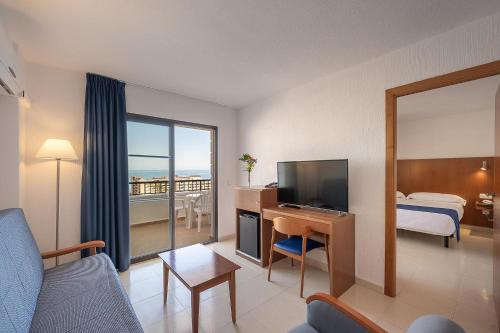
Short-stay apartments are a popular family choice because they mirror home routines and ease meal preparation, laundry and nap scheduling. When selecting a rental, families commonly prioritise multiple bedrooms, a functional kitchenette, elevator access for strollers and proximity to beaches or parks to reduce transit time. Quiet residential streets near central amenities offer restful evenings while keeping playgrounds and promenades within walking distance for daytime activities. Filters on booking platforms help pinpoint essentials—bed counts, ground-floor or lift access, and neighbourhood noise levels—so families can match accommodation to their rhythm rather than adapting the children to unfamiliar schedules.
Arrival and departure tips include confirming stroller-friendly entryways and whether luggage transfer assistance is available. Early arrival coordination can make the first day smoother—having groceries or easy meals on hand allows tired children to settle. Checking for nearby laundromats or on-site washing options helps families pack lighter. For last-minute changes or special requests, contacting the host or property manager ahead of arrival secures small conveniences (a travel cot or extra bedding) that make a big difference in daily life with children.
Packing checklist for Mediterranean family trips
Packing for Torrevieja balances sun-smart essentials with compact comforts that suit families on the move. Core items include broad-spectrum sunscreen, sun hats with chin straps for active children, UV-protective swimwear, and lightweight layers for cool evenings. A compact first-aid kit with plasters, antiseptic wipes and any regular child medication is important; include a small bottle of oral rehydration solution for heat-related dehydration. For infants and toddlers, bring swim diapers, a foldable stroller or carrier, a few favourite small toys and portable snacks to bridge between meals. Reusable water bottles and insulated snack boxes save money and reduce single-use waste during busy beach days.
Practical extras that streamline the holiday include a portable phone charger, photocopies of key travel documents, and a small Spanish-language medical/allergy card with child details for caregivers. Packing collapsible beach toys, a lightweight picnic blanket and a compact hand towel keeps beach bags manageable. For families travelling in shoulder seasons, include a light rain layer and a warmer mid-layer for evenings. A final pre-departure tip is to create a short checklist for daily outings—sunscreen, water, hats, small first-aid kit and snacks—so leaving the accommodation with children is consistent and less frantic.
Best months for family visits weather and holidays
Torrevieja’s peak beach season runs through summer, offering reliably warm water and long daylight hours that suit families prioritising swimming and full-day outdoor plans. July and August deliver the warmest sea temperatures and the fullest event calendar, but also the busiest crowds and higher prices. Shoulder months—May, June and September—often strike a strong balance for families: pleasant swimming windows, slightly cooler daytime highs and fewer visitors, which makes beaches and promenades more relaxed for stroller manoeuvres and picnic setups. Winter months are quieter, with milder temperatures suitable for coastal walks, market visits and short outdoor excursions, though sea swimming becomes less frequent.
School holiday scheduling influences peak travel windows: local and neighbouring-country school breaks typically increase visitor numbers in July and August. Families seeking to avoid heavy crowds while still enjoying warm weather frequently choose late spring or early autumn; these months also offer better availability for activities such as family water-sport lessons with more flexible booking options. Checking municipal holiday calendars and major event dates before booking helps families align their travel with quieter periods or, alternatively, to plan around local festivals that may appeal to children.
Family photography spots and scenic viewpoints
Several Torrevieja locations serve as great backdrops for family photos, offering variety from dunes to promenade vistas. The La Mata boardwalk and dunes provide textured, natural settings where children’s play against sandy ridgelines makes for candid, sunlit portraits—early morning or late afternoon light softens faces and reduces squinting. Promenade viewpoints near the harbour are ideal for capturing seaside silhouettes and candid paddle moments, while Salinas de Torrevieja observation platforms add surreal colour contrasts that create striking family images—late-afternoon light often amplifies the pink tones in the lagoons.
Photography tips for safer, more evocative shots include choosing shallow vantage points that keep children a safe distance from the water’s edge, using low angles to emphasise motion while keeping horizons level, and encouraging natural play to capture spontaneous expressions. Avoiding full midday sun prevents harsh shadows; golden-hour sessions produce warm skin tones and gentle backgrounds. Carrying a small sunshade or foldable reflector can help control contrast for family portraits without bulky gear.
Walking trails and nature routes for family legs
Gentle walking routes around Torrevieja suit families looking to stretch legs beyond the beaches. Coastal promenades provide predictable, flat surfaces perfect for strollers, scooters and early walking attempts; these routes link beaches, playgrounds and cafés so families can plan short, varied segments that end in a reward point such as an ice-cream stop. La Mata Natural Park offers boardwalk loops and short trails through dune and marsh fringes that are compact and stroller-manageable in many sections—interpretive panels help children spot birds and learn about local plants while on the move.
For a short themed walk, families can turn a promenade outing into a shell-collecting or bird-spotting activity with simple checklists that keep kids engaged. Molino del Agua’s observation paths offer a taste of coastal ecosystems without long treks and combine well with a nearby beach break or picnic stop. Planning walks for cooler morning or late-afternoon windows reduces sun exposure and often increases wildlife activity, enhancing the educational payoff for curious children.
Local markets family shopping and tasting circuits
Weekly markets and seaside stalls are ideal family-friendly circuits for sampling local flavours and picking up inexpensive picnic components. Market days commonly offer fresh fruit, pastries and quick snacks that children enjoy, along with occasional stalls selling handcrafted toys and colourful items that catch young eyes. Markets tend to be busiest mid-morning; families with strollers should aim for early times to avoid peak crowds and to secure better browsing space. Combining a market visit with a nearby playground or a shaded square for an impromptu snack break makes the outing flow naturally for children who need movement between stops.
Safety in markets includes holding hands and agreeing on a clear meet-up spot if the group separates; pockets or small crossbody bags for parents reduce the risk of misplacing essentials while managing children. Sampling is part of the market fun—letting kids try a piece of seasonal fruit or a local pastry creates a small culinary adventure without overindulging. For families seeking a budget-friendly dining alternative, markets supply everything needed for a satisfying picnic on a nearby beach or park bench.
Marine education spots aquarium notes and learning visits
While Torrevieja itself focuses primarily on natural coastal attractions, nearby marine education initiatives and small aquaria in the wider region occasionally offer compact exhibits suitable for family visits. These venues typically present touch tanks, small interpretive displays about Mediterranean marine life and scheduled short talks that engage younger audiences. Visit durations are usually brief—30 to 90 minutes—matching children’s attention spans and allowing families to pair stops with outdoor activities such as a coastal walk or a playground session.
Before visiting, checking opening times and seasonal programming helps ensure that interactive elements like feeding demonstrations or touch sessions are available; these features often rotate and are more common during tourist seasons. If a larger aquarium or marine education centre exists within a short drive, combining that visit with a picnic or a seaside stop creates a varied day that balances indoor learning with outdoor play. Parents may want to prepare a few simple ID cards or a pocket guide to common Mediterranean species to spark curiosity and encourage questions during the visit.
Public restrooms baby-care facilities and family conveniences
Public restrooms and baby-care facilities are reasonably available near main beaches, promenades and park areas in Torrevieja, though convenience levels vary by location and season. Central beaches and larger promenades typically host clearly marked facilities close to main access points; these areas are also most likely to offer changing spaces. Smaller coves or quieter beach stretches may require a short walk to the nearest structured facility, so families often arrive prepared with a compact emergency kit containing disposable changing mats, hand sanitiser and spare nappies/diapers. Municipal park areas usually include restroom blocks with nearby benches and shade, which help with on-the-go meal or diaper changes.
To reduce stress, map restroom locations at the start of a day’s outing—many beachfront maps and tourist leaflets indicate primary facility clusters. Carrying a small selection of basic supplies in a daypack keeps little emergencies manageable and avoids multiple detours. For families with specific needs, identifying accessible restroom blocks and ramps near airport or main bus stops before arrival simplifies transit days when quick changes or toilet stops are common.
Family nightlife with child-friendly evening options
Evenings in Torrevieja can suit families who prefer gentle, early-night rhythms: promenade strolls at dusk, gelato stops and low-key live music are common and welcoming to children. Many seaside cafés and small venues stage early-evening performances or family-orientated events during the summer months, providing light entertainment without late finishes. A planned evening might include a short promenade walk to a designated viewpoint, an ice-cream or pastry treat, and a relaxed return to the accommodation well before bedtime—this pattern keeps children’s routines intact while still enjoying local ambience.
When attending areas with larger crowds or occasional fireworks, selecting viewing spots with easy exit routes and quiet resting options helps manage sensory overwhelm. Family-focused venues often indicate earlier performance times and child-appropriate programming; checking event listings in advance helps align evenings with children’s sleep cycles and ensures a calm, enjoyable night out.
Children safety at beaches understanding currents and flags
Teaching children basic beach safety enhances confidence and reduces risk during seaside play. Local flag systems guide safe swimming: green flags indicate calm, generally safe conditions; yellow flags advise caution with possible currents or changing conditions; and red flags mean swimming is prohibited due to dangerous water. Explaining these simple colour codes to children before arriving at the beach helps them understand when and where play is safest. Recognising rip currents—narrow channels of churning water, sometimes noticeable as discoloured bands moving seaward—allows parents to keep children well away from potential hazards and to instruct older kids on how to react if caught (swim parallel to shore rather than against the current).
Practical family rules include always swimming where lifeguards are present, setting clear boundaries using visual markers (such as a particular lifeguard post or beach umbrella), and implementing a buddy system for older children who may wander. Keeping small flotation aids for very young swimmers and maintaining a close arm’s-length supervision policy prevents many common accidents. Simple rehearsals—pointing out the nearest lifeguard station on arrival and agreeing on a meeting point—build predictable routines that make busy beaches feel manageable.
Healthcare facilities pharmacies and pediatric support
Torrevieja provides local pharmacies and primary healthcare centres equipped to handle common childhood ailments, routine prescriptions and minor injuries; many pharmacists understand basic English and can recommend over-the-counter treatments for common issues like minor cuts, sunburn and gastrointestinal upsets. For pediatric care beyond first-response or for specialised treatment, larger hospitals and paediatric departments are located in nearby cities and are accessible by car or regional ambulance services. Keeping a concise medical file for each child—listing allergies, medications, and primary care contacts—streamlines visits should professional care be necessary.
Pharmacies often display opening hours prominently and many remain open late in summer; mapping a couple of nearby pharmacies relative to accommodation and main beaches is a useful pre-trip step. Emergency numbers and the location of the nearest public health centre should be noted in both English and Spanish. When visiting a pharmacy or health centre, having prescription details or regular medication packaging on hand avoids confusion and speeds assistance for caregivers.
Useful Spanish phrases for family travel basics
A handful of Spanish phrases eases everyday family interactions and helps in situations requiring quick communication. Useful phrases include: "¿Dónde está el baño?" (Where is the restroom?), "Necesito un pañal" (I need a diaper), "Mi hijo tiene alergia a..." (My child is allergic to...), "¿Hay un médico que hable inglés?" (Is there an English-speaking doctor?), and "¿Cuánto cuesta esto?" (How much does this cost?). Simple requests for food, such as "sin sal" (no salt) or "sin frutos secos" (no nuts), help ensure meals are safe for children with dietary restrictions. For emergencies, knowing how to say "Necesitamos ayuda" (We need help) and showing a short card with key medical facts in Spanish assists local responders.
Carrying a small phrase card for sitters or shopkeepers containing allergy notes, preferred doctor contact details and one-liner phrases like "¿Tiene silla para niños?" (Do you have a highchair?) saves time. Most local staff in tourist areas understand basic English, but making the effort to use Spanish phrases is appreciated and often speeds interactions, particularly when clarity matters with child-care needs.
Public holidays how schedules change family activity plans
Public holidays and local festival days can alter usual opening hours for shops, markets and municipal attractions. During national holidays or major local fiestas, some smaller shops and offices may close or operate reduced hours while markets and public events could expand, drawing larger crowds to main squares and promenades. Families planning specific activities—such as visiting a market, arranging childcare or expecting standard public transport frequencies—should consult local municipal calendars or tourist information updates before arrival to avoid disruption.
Flexibility is key on holiday dates: scheduling outdoor activities like beach visits or nature walks that are less affected by closures provides a reliable fallback. If a specific attraction is crucial to the trip, booking or checking in advance ensures that the planned visit remains feasible. For parents, knowing when supermarkets or pharmacies might be closed or on limited hours during holidays helps in planning meal prep and medication needs with minimal stress.
Pet friendly spots and green spaces safe for kids and pets
Several parks and promenade stretches welcome both families and well-behaved pets, creating pleasant spaces for joint play. Parque de las Naciones includes grassy zones suitable for picnics and light ball games where leashed dogs are often seen alongside children; choosing quieter corners reduces the chance of excitement-related incidents. Some beach segments restrict pets during peak summer months, so checking local signage and municipal rules before planning a beach day with a pet avoids fines and confusion. Shaded urban squares and early-morning promenade walks provide calm windows for families who travel with dogs and want to combine pet exercise with child-friendly exploration.
Supervising interactions between pets and young children is essential—establishing simple boundaries such as no food-sharing and calm pet introductions prevents accidental nips or startling moments. Carrying water for both pets and kids on active days and bringing waste bags for responsible cleanup keep shared public spaces pleasant for everyone. For families needing quieter park time, early weekday mornings offer the clearest windows when both pets and children can enjoy open lawns with minimal crowding.
Educational family days museums cultural centers for kids
Torrevieja’s cultural venues and small museums offer digestible educational sessions that suit older children and curious families. Exhibits often focus on local history, maritime life and natural heritage with compact galleries and short interpretive panels making visits manageable for shorter attention spans. Combining a museum visit with a nearby outdoor play area or a picnic helps balance focused learning with physical activity, ensuring children have both intellectual stimulation and space to expend energy afterward.
Look for venues that advertise hands-on elements, family trails or child-friendly exhibit guides; these features transform a passive visit into a mini-adventure and are worth checking via local cultural calendars. Short guided tours or themed workshops—often scheduled during school holidays—add value by presenting information in an interactive format that keeps young minds engaged. Planning a mid-week visit often avoids weekend crowds and provides a calmer atmosphere for families to explore exhibits at a relaxed pace.
Accessibility for families stroller ramps and easy routes
Torrevieja is generally accessible for families with strollers: main promenades, central beaches and many park paths provide ramps and smooth surfaces suited to prams and younger walkers. Key beach access points typically feature ramped routes from the promenade to sand or near-boardwalk entrances; however, some quieter coves and older neighbourhoods may include cobbled streets or short steps that complicate stroller use. When booking accommodation or planning routes, prioritising ground-floor apartments or properties with lift access reduces daily friction and keeps transitions between rest and play smooth.
Municipal maps and tourist information points flag major accessible routes and barrier-free public toilets—families with mobility needs often find the promenade and central park areas most straightforward. For longer transfers, checking bus accessibility features or arranging taxis with additional space for a folded stroller streamlines arrival and departure days. For mixed-ability groups, mapping out a few select stroller-friendly routes that connect beaches, playgrounds and cafés ensures a predictable rhythm for every day.
Seasonal family calendar quick reference
A simple seasonal snapshot helps families plan trips around Torrevieja’s rhythms: spring brings mild temperatures and the first outdoor festivals, ideal for early beach practice and market visits; summer is peak beach weather with the busiest event calendar and extended attraction hours; autumn (especially September) offers warm seas with fewer crowds and continued outdoor activity windows; winter remains mild for coastal walks, cultural outings and quieter family time. Key planning cues include checking for Easter processions and spring fairs, summer market and concert schedules, and local school holiday periods that influence crowd levels and availability of family services.
Families seeking to optimise weather and crowd balance often favour late spring or early autumn visits, while those who prioritise guaranteed warm water and an active festival scene may choose high summer with earlier dining and flexible accommodation bookings. Reserving major activities or transport during known festival peaks reduces the chance of sold-out experiences and creates a smoother travel flow.
Local transport passes discounts and family saving hacks
Transport passes and discount options can lower costs for families who plan multiple short journeys. Single-day or multi-day transport passes—where available—suit families aiming to hop between beaches, parks and nearby towns over several days. Purchasing passes at main bus stations or authorised vendors often grants convenience and sometimes slight per-trip savings compared with buying single tickets. Off-peak travel, weekday outings and combining several errands into one trip also reduce transport spend while minimising transit time with children.
Additional saving hacks include walking short distances instead of short bus hops where feasible, using shared taxi runs for group travel to nearby towns, and checking for family or group tickets at amusement attractions. Confirming current concession rules for children and youth at ticket offices avoids unexpected fares; local tourist offices can usually highlight temporary promotions or city passes that benefit families planning concentrated activity days.
Final practical checklist family packing for a beach break
The final pre-departure checklist ties together essentials for a smooth Mediterranean beach break with children: broad-spectrum sunscreen, sun hats, UV-protective swimwear, swim nappies, and a compact first-aid kit. Add refillable water bottles, lightweight snacks, a foldable stroller or carrier, a few small toys for beach play and comfort items for naptime. Include photocopies of travel documents, a small envelope with local emergency numbers and a Spanish-language medical/allergy card for each child. For shoulder seasons, add a light rain jacket and a warmer layer for cooler evenings.
Practical packing habits include organising items in clear pouches for quick access—first-aid, snacks, and sun-care—so unpacking on arrival is fast and stress-free. A short daily checklist left by the door (sunscreen, water, hats, snacks, phone charger) becomes a simple ritual that significantly reduces last-minute scrambles and keeps family days focused on fun rather than forgotten essentials.


 See all




 See all


 See all


 See all


 See all


 See all


 See all



 See all


 See all


 See all


